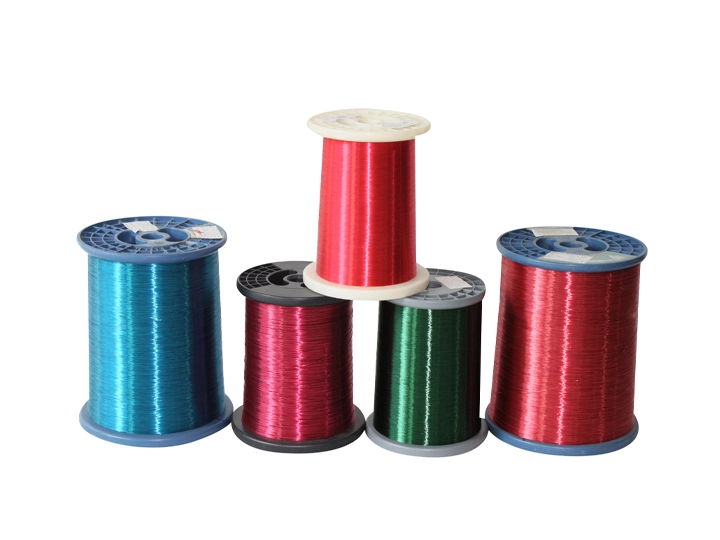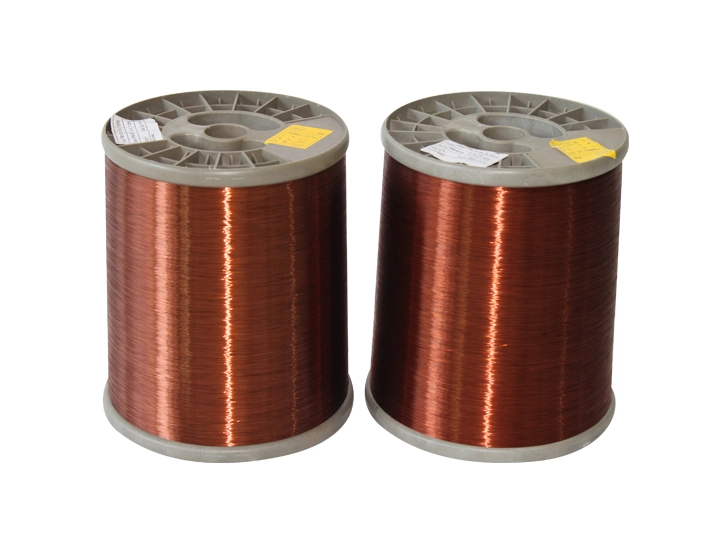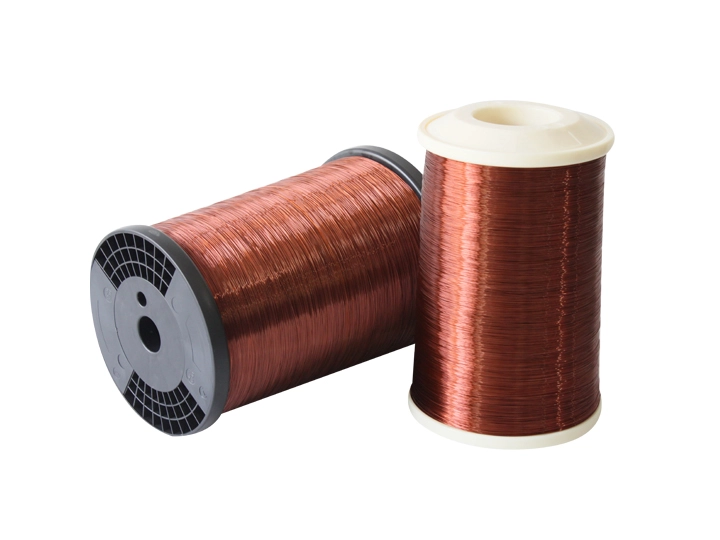
Choosing an enameled aluminum wire is not simply a matter of selecting the highest temperature rating available. A 155°C, 180°C, or 200°C wire uses an insulation system designed for a different level of thermal endurance, and that difference can affect winding reliability, insulation life, processing requirements, and overall cost.
For motor and transformer manufacturers, the better question is not “Which thermal class is best?” but “Which thermal class matches the actual electrical, thermal, and manufacturing conditions of this winding?” Understanding that distinction helps engineers avoid both premature insulation failure and unnecessary over-specification.
Rongda supplies multiple aluminum winding wire options using different enamel systems, giving equipment manufacturers more flexibility when matching wire performance to the intended application.
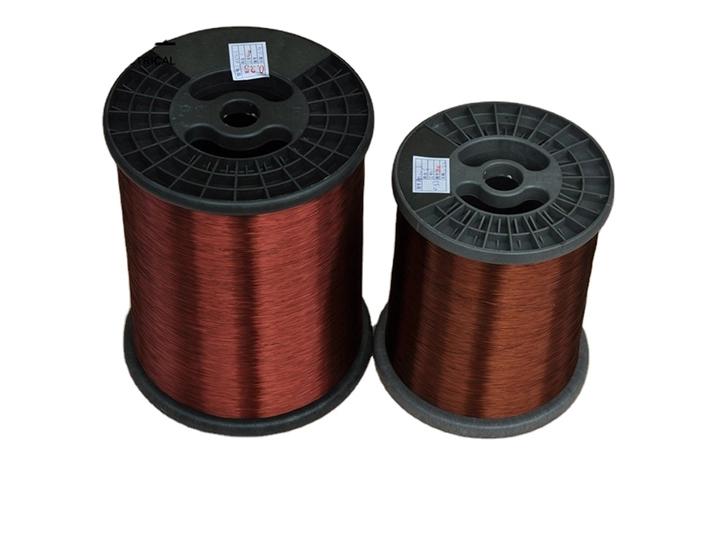
Thermal class indicates the long-term thermal endurance associated with the insulation system of a winding wire. It should not be interpreted as a simple statement that the finished motor or transformer can continuously operate at exactly 155°C, 180°C, or 200°C.
This distinction matters because winding temperature is influenced by more than the enamel coating. Current density, cooling conditions, winding geometry, slot design, ambient temperature, duty cycle, impregnation materials, and other components in the insulation system can all influence the temperature experienced by the conductor.
IEC winding-wire standards make this point clearly. For example, IEC 60317-15 defines Class 180 polyesterimide enamelled round aluminum wire with a minimum temperature index of 180 and a heat-shock requirement of at least 200°C, while also stating that the temperature index is not necessarily the recommended operating temperature of the wire in actual equipment.
In practical terms, thermal class is therefore a material-selection parameter rather than a stand-alone operating-temperature limit.
The main difference between these thermal classes lies in the enamel insulation system and the level of thermal stress it is designed to withstand over time. As the required thermal class rises, manufacturers generally move toward insulation chemistries developed for greater thermal endurance and demanding service conditions.
| Thermal Class | Rongda Product Example | Selection Focus | Typical Consideration |
|---|---|---|---|
| 155°C | Modified polyester or polyurethane | Balanced insulation performance and manufacturing requirements | Applications without unusually severe thermal exposure |
| 180°C | Polyesterimide | Higher thermal endurance | Windings exposed to greater thermal stress or requiring additional temperature margin |
| 200°C | Polyamide-imide based insulation system | High thermal and insulation durability | More demanding winding environments where higher thermal resistance is required |
The difference is therefore more meaningful than the number printed on a specification sheet. Selecting higher-class aluminum winding wire usually means selecting an insulation system engineered for greater thermal endurance. However, it can also change processing considerations and material cost, which is why the highest available class is not automatically the most economical choice.
Class 155 aluminum winding wire can be a practical choice when the expected winding temperature remains comfortably within the design margin of the insulation system and the equipment does not face unusually severe thermal stress.
Rongda currently offers both modified polyester and polyurethane enameled aluminum wire in the 155°C category. These should not be treated as identical products simply because they share the same thermal class. The insulation chemistry can influence processing and application behavior.
For example, Rongda's polyurethane version is designed with solderability in mind, which may be useful where termination efficiency is important. Modified polyester wire may be considered where a different balance of mechanical, electrical, and thermal properties is required.
For buyers, this means thermal class should be considered together with the actual winding process. If a motor or transformer design does not require the additional thermal capability of a Class 180 or Class 200 insulation system, selecting 155°C wire can avoid paying for performance that provides little practical benefit.
A move to Class 180 or Class 200 usually becomes relevant when the winding is expected to experience greater thermal stress, when additional thermal margin is required, or when the equipment specification calls for a higher-class insulation system.
Rongda's Class 180 product uses polyesterimide insulation. This insulation family is widely associated with higher-temperature winding applications, and IEC 60317-15 specifically covers polyesterimide enamelled round aluminum winding wire of Class 180.
Class 200 moves the selection further toward demanding thermal conditions. IEC 60317-25 covers Class 200 enamelled round aluminum winding wire using polyester or polyesterimide with a polyamide-imide overcoat. Rongda also provides a 200°C aluminum wire option based on a polyamide-imide insulation system.
This does not mean that every high-output motor automatically needs 200°C aluminum winding wire. A higher thermal class is valuable only when it addresses an actual design requirement. An oversized thermal specification can increase material requirements without solving problems caused by poor cooling, incorrect conductor sizing, excessive current density, or unsuitable winding design.
The correct decision should therefore be based on the complete thermal environment rather than temperature class alone.
The selection process should begin with the expected operating conditions of the finished equipment. Engineers need to understand how much heat the winding is likely to generate and how effectively that heat can leave the winding during normal service. A transformer operating continuously under significant load may have a different thermal requirement from a motor that operates intermittently, even when both use aluminum conductors.
Next, consider the insulation system as a whole. The enamel coating works together with slot insulation, impregnation varnish, tapes, bobbins, and other insulating materials. Selecting Class 200 wire provides little advantage if another critical insulation component cannot tolerate the same thermal environment.
Manufacturing conditions also matter. Winding tension, bending radius, coil geometry, connection method, and subsequent processing can affect enamel integrity. The chosen wire must therefore survive production as well as long-term electrical service.
Finally, specifications should be confirmed against the relevant wire standard and the actual product data. Buyers comparing different aluminum winding wire options should avoid making a decision from thermal class alone. Diameter tolerance, electrical resistance, enamel quality, breakdown performance, mechanical behavior, and required certification can all influence whether a wire is suitable for production.
If your project requires a broader comparison of insulation systems and conductor options, Rongda's enameled magnet wire solutions provide additional choices for different winding requirements.
The difference between 155°C, 180°C, and 200°C enameled aluminum wire is fundamentally a difference in insulation capability and thermal endurance, not simply a choice between three operating temperatures.
Class 155 can provide an effective balance for many standard winding requirements, while Class 180 offers greater thermal capability through insulation systems such as polyesterimide. Class 200 is better suited to projects that genuinely require a higher level of thermal resistance. The correct choice depends on the equipment design, insulation system, manufacturing process, and expected service conditions.
Rongda manufactures aluminum winding wire across multiple thermal classes for motor, transformer, and other electromagnetic winding applications. If you are evaluating a new winding design or replacing an existing wire specification, contact Rongda with your required wire size, thermal class, insulation type, and application. The team can help you identify a more appropriate wire specification before production.
No. A 200°C thermal class provides higher thermal capability, but it may be unnecessary when the application operates within the performance range of a properly selected 155°C insulation system.
No. Thermal class describes insulation thermal endurance. The appropriate operating temperature depends on the complete equipment design and insulation system.
Polyesterimide is an established insulation system for Class 180 aluminum winding wire and is covered by IEC 60317-15.
Provide the required conductor size, thermal class, insulation preference, application, and relevant standard or performance requirements so the supplier can evaluate a suitable specification.