Dielectric strength is one of the most important performance considerations when fiberglass sleeving is used to protect wires, leads, and electrical connections. Yet two sleeves that look similar from the outside may not provide the same level of electrical insulation. The reason is that insulation performance depends on the entire sleeve structure rather than on the presence of silicone or fiberglass alone.
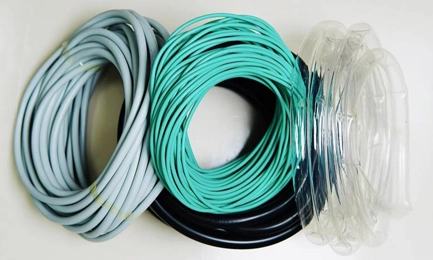
In silicone rubber coated fiberglass sleeving, the fiberglass braid provides a flexible structural foundation while the silicone-based coating helps create a continuous insulating surface. Coating quality, braid construction, wall consistency, heat exposure, moisture, and physical damage can all influence how reliably the sleeving separates conductive components.
For equipment manufacturers and insulation-material buyers, understanding these factors is more useful than relying on a single specification value. It also makes supplier comparison more meaningful before a material is approved for production.
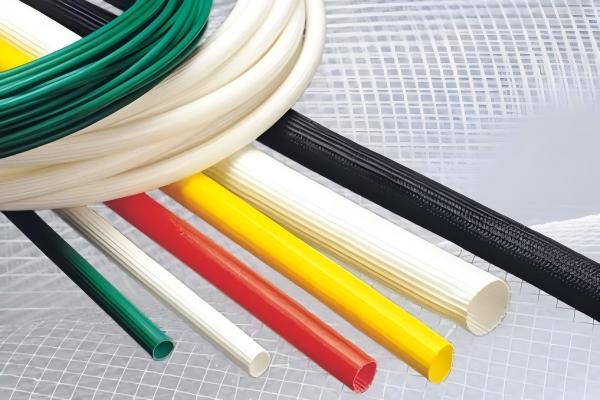
The silicone coating plays a central role in the electrical performance of the finished sleeve. Fiberglass itself is electrically insulating, but a woven or braided fiberglass structure naturally contains small spaces between fibers. Applying and curing silicone resin creates a more continuous surface around that structure and helps the finished sleeve resist electrical leakage across exposed areas.
This is why the coating cannot be evaluated only by appearance. Its formulation, curing condition, adhesion to the fiberglass, and continuity across the braid all influence the final insulation system. An unevenly cured coating or an area with insufficient coverage may become a weak point even if most of the sleeve appears normal.
It is also useful to distinguish dielectric strength from volume resistivity. Dielectric strength describes how much electrical stress an insulating material can withstand before breakdown under specified test conditions. Volume resistivity describes resistance to current flowing through the material. They are related to insulation quality, but they are not interchangeable measurements.
Rongda's current silicone fiberglass sleeving specification lists volume resistivity above 1014 Ω·cm under its stated UL 1441 test method. Buyers assessing actual dielectric strength should still confirm the appropriate breakdown-voltage requirement and test conditions for their own application rather than treating volume resistivity as the same measurement.
The fiberglass braid does more than give the sleeve its tubular shape. It provides mechanical support that helps the silicone-coated structure remain flexible during installation and withstand handling around wires, terminals, and winding assemblies.
Braid consistency matters because large openings, irregular weaving, or local deformation can make it more difficult to maintain a uniform coating over the full circumference of the sleeve. The electrical performance therefore comes from the interaction between the fiberglass substrate and the silicone layer rather than from either material working independently.
A stable braid also helps distribute bending stress. When sleeving is pushed over a cable, routed through a motor, or bent around a connection point, the material experiences repeated mechanical deformation. If the braid distorts excessively, the coating can be stretched unevenly. Over time, this may contribute to thinning, cracking, or exposed fiberglass at the most heavily stressed areas.
This relationship is particularly important in compact electrical assemblies, where insulation materials often need to provide protection without making installation unnecessarily rigid. Buyers should therefore look beyond nominal inside diameter and consider whether the sleeve maintains a consistent structure during actual assembly.
More coating does not automatically mean better insulation. What matters is whether the coating thickness is appropriate and sufficiently uniform for the required sleeve construction.
A thin local area can create a weaker electrical path, while excessive or inconsistent coating may affect flexibility and dimensional control. Pinholes, bubbles, cracking, peeling, contamination, or poorly covered braid can also reduce the reliability of the insulation barrier.
| Quality Factor | Why It Matters | What Buyers Should Check |
|---|---|---|
| Coating continuity | Helps maintain a consistent insulating surface | Look for exposed braid, pinholes, cracks, or peeling |
| Wall consistency | Reduces localized weak areas | Compare dimensional tolerance across samples and batches |
| Fiberglass braid | Supports the coating during handling and bending | Check for irregular weaving or excessive deformation |
| Curing quality | Affects coating stability and adhesion | Evaluate surface condition after thermal and bending tests |
| Environmental resistance | Shows whether insulation remains stable after exposure | Review heat-aging, cold-bend, and moisture-test results |
Rongda's published specification describes the sleeve surface as smooth, with an evenly applied silicone resin coating while the weaving pattern remains visible. The company also lists different wall thicknesses according to sleeve diameter. This is important because buyers should evaluate dielectric performance together with dimensional consistency rather than assuming every nominal diameter uses exactly the same construction.
Initial electrical performance is only part of the qualification process. An insulation sleeve also needs to maintain useful properties after exposure to the environment it will encounter in service.
Heat can gradually change the physical condition of an insulation coating. Extended exposure may make a poorly formulated or improperly cured surface harder, more brittle, or more vulnerable to cracking when the sleeve is later bent. Mechanical damage that develops after thermal aging can then create local areas where insulation reliability is reduced.
Rongda lists a temperature range of -10°C to +200°C for its current product and reports an aging test at 260°C for 72 hours with no surface cracking under the stated test conditions. Its specification also includes a cold-bend test at -10°C for one hour, after which the coating is required to remain free from cracking or peeling.
These accelerated tests are useful quality indicators, but they should not be interpreted as a guarantee that every electrical assembly can continuously operate under the same test conditions. Actual service life depends on the complete system, including voltage stress, surrounding materials, airflow, mechanical movement, contamination, and equipment design.
Moisture deserves similar attention. Water on or around an insulation system can change surface conditions and expose existing defects. Rongda's current specification includes a 24-hour water immersion test that checks whether the sleeve remains free from deformation, stickiness, and surface softening. For projects exposed to humidity or condensation, buyers should also confirm the electrical test requirements that apply after environmental conditioning.
For B2B procurement, evaluating silicone rubber coated fiberglass sleeving should begin with the requirements of the finished electrical assembly rather than with a generic claim such as “high dielectric strength.” The required protection for a motor lead, transformer connection, heating appliance, or electronic assembly can differ significantly.
First, define the voltage and insulation requirements applicable to the equipment. Then confirm how dielectric performance is tested, including specimen condition, test method, and acceptance criteria. A voltage value without a test method or material condition offers limited value when comparing suppliers.
Next, examine whether electrical performance remains supported by the sleeve's physical quality. A sample may perform well initially but still be unsuitable if the coating cracks after bending or deteriorates after thermal exposure. For this reason, dielectric testing should be reviewed together with coating appearance, dimensional stability, heat aging, cold bending, and environmental resistance.
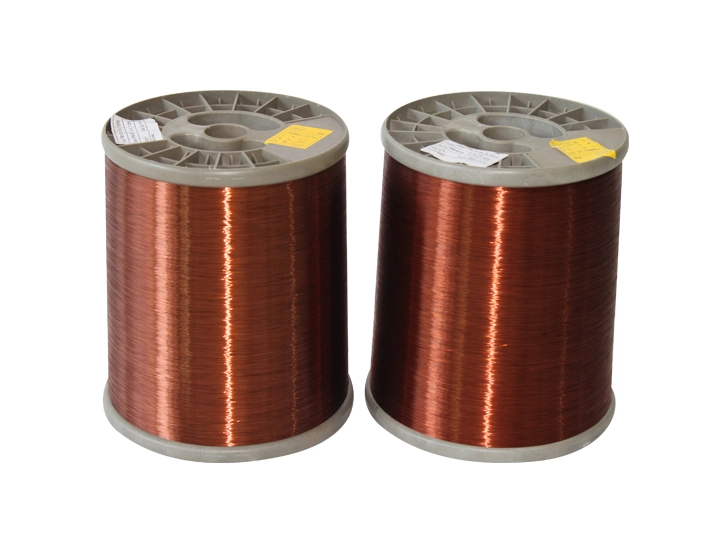
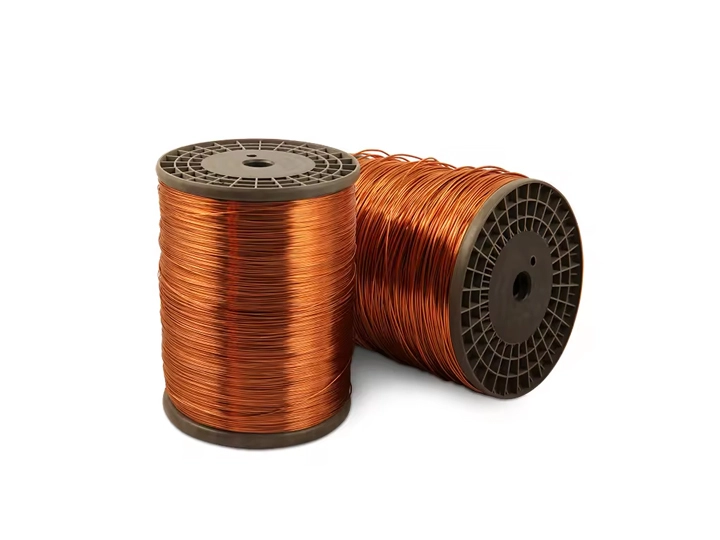
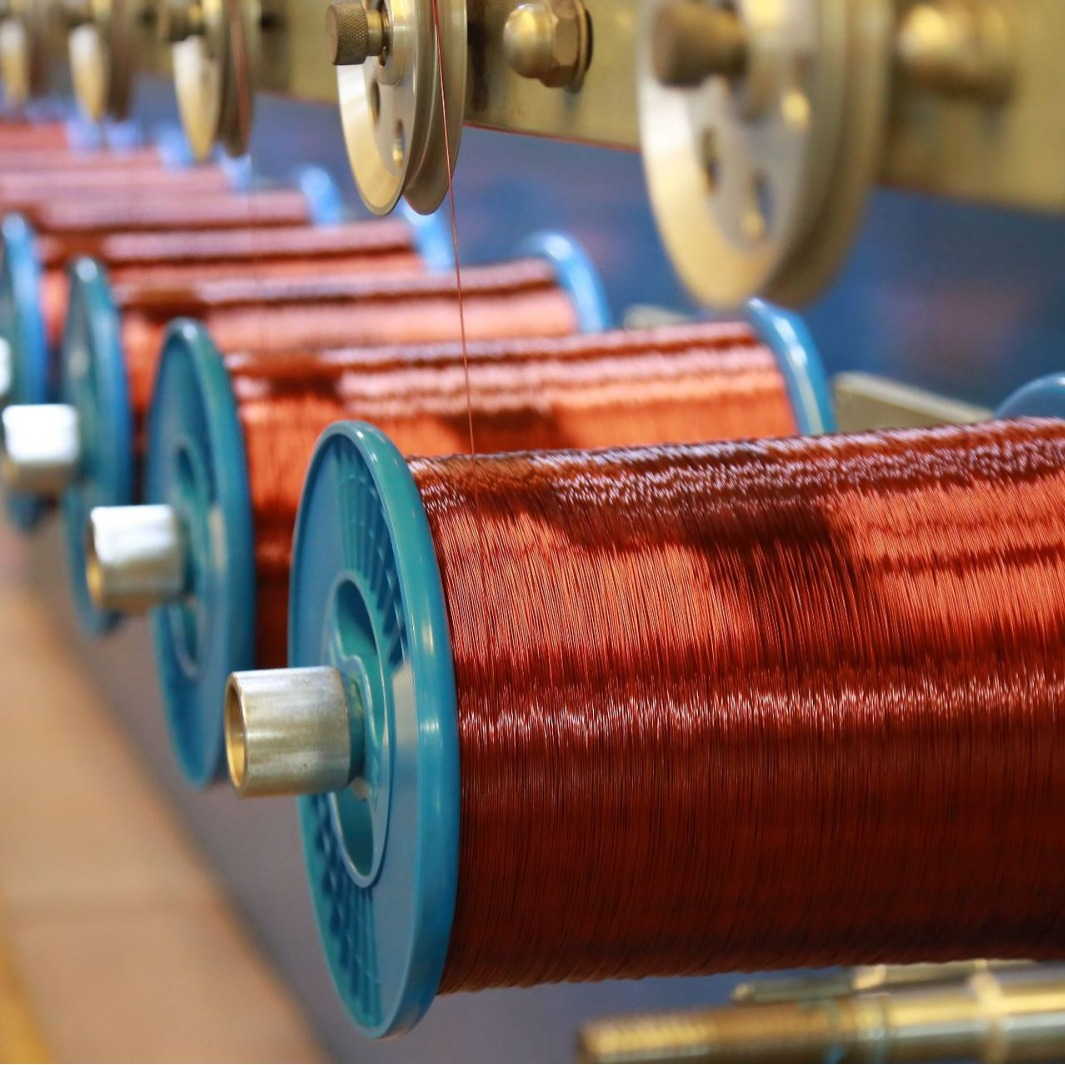
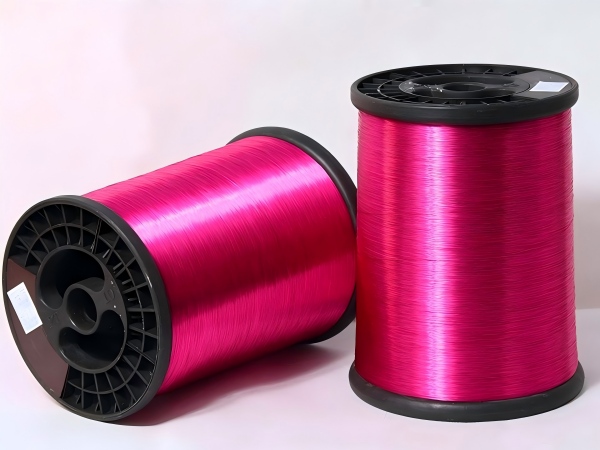
Batch consistency is equally important for repeat orders. A qualification sample is useful only when the manufacturer can control the same coating and sleeve structure during regular production. Rongda combines fiberglass and silicone insulation products with its wider electrical-material portfolio, including enameled magnet wire for motor, transformer, and electromagnetic winding applications.
When requesting a quotation, buyers can provide the required inside diameter, application, expected operating environment, electrical insulation requirement, and relevant standard. This gives the supplier a stronger basis for evaluating whether the proposed sleeve matches the project instead of selecting by diameter alone.
The dielectric performance of silicone rubber coated fiberglass sleeving is determined by a combination of materials and manufacturing quality. The silicone coating contributes a continuous insulation layer, while the fiberglass braid supports that coating during installation and use. Uniform wall construction, reliable curing, freedom from surface defects, and resistance to thermal and environmental stress all contribute to long-term insulation reliability.
For buyers, the most useful approach is to evaluate these factors together. A high resistivity value or a visually smooth surface alone cannot fully describe dielectric performance. Test method, aging behavior, dimensional consistency, and batch control should also be considered before approving material for production.
If you are selecting fiberglass sleeving for a motor, transformer, electrical appliance, or other wiring system, Rongda can review your insulation and dimensional requirements. Contact Rongda to discuss the required specification, samples, and testing expectations for your project.
No. Volume resistivity measures resistance to current flow through an insulating material, while dielectric strength concerns the electrical stress the insulation can withstand before breakdown under specified test conditions.
Thickness can influence insulation performance, but uniformity and freedom from defects are equally important. A locally thin, cracked, or poorly cured area can still become a weak point.
Heat-aging tests help show whether the coating maintains useful physical and insulation-related properties after thermal exposure rather than only when the sleeve is new.
Provide the required inside diameter, application, operating environment, insulation requirement, and applicable test or standard so the supplier can evaluate a suitable specification.